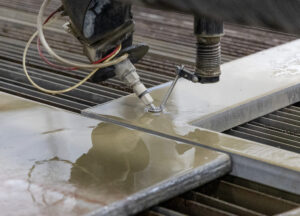
At Rolled Alloys, PQI is an in-house inspection process used to verify cut metal parts before they leave our floor. This inspection step plays a critical role in supporting customers who require tight tolerances, repeatability, and documented quality, especially in aerospace and other high-performance applications.
Rather than relying solely on manual measurement methods, our PQI process allows our quality team to digitally inspect cut parts against CAD data. This helps ensure accuracy, consistency, and confidence before parts move downstream.
Why Cut Part Inspection Matters for Tight-Tolerance Components
Accurate cut part inspection is essential when even small deviations can impact fit-up, machining, or final assembly. In industries such as aerospace, defense, and advanced manufacturing, dimensional accuracy is not optional. It can directly affect performance, safety, and compliance
Inaccurate cuts can lead to:
- Assembly challenges
- Rework or scrap
- Delays in customer production schedules
By integrating PQI into our processing workflow, we ensure customer requirements are met, reducing risk and protecting their downstream operations.
How we use PQI for Fast, Repeatable Inspection
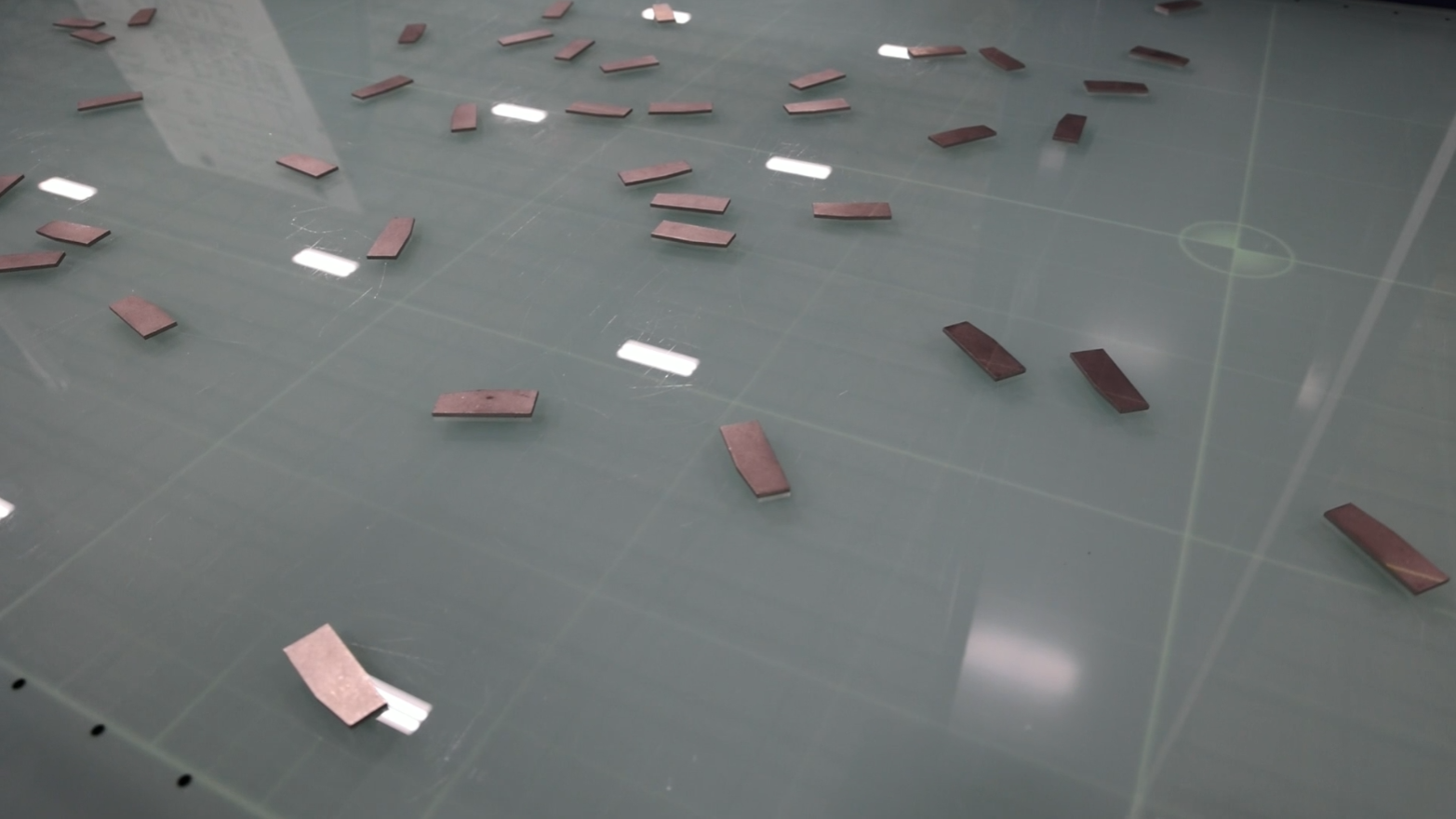
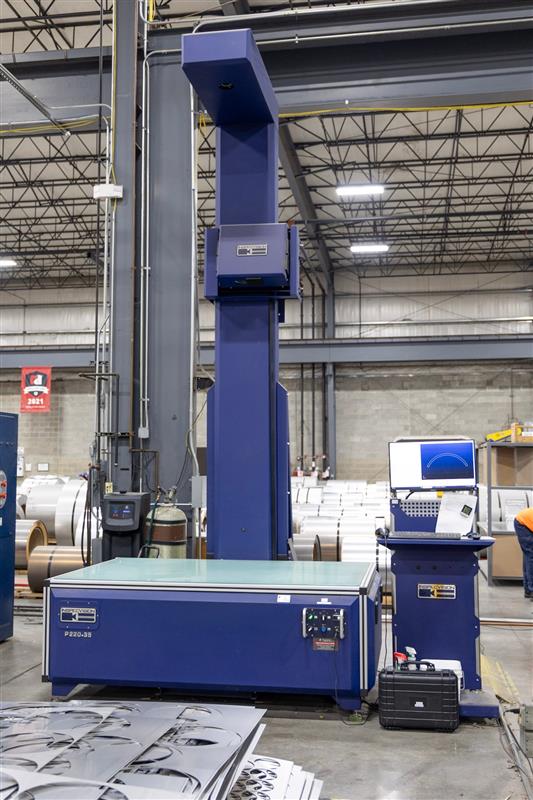
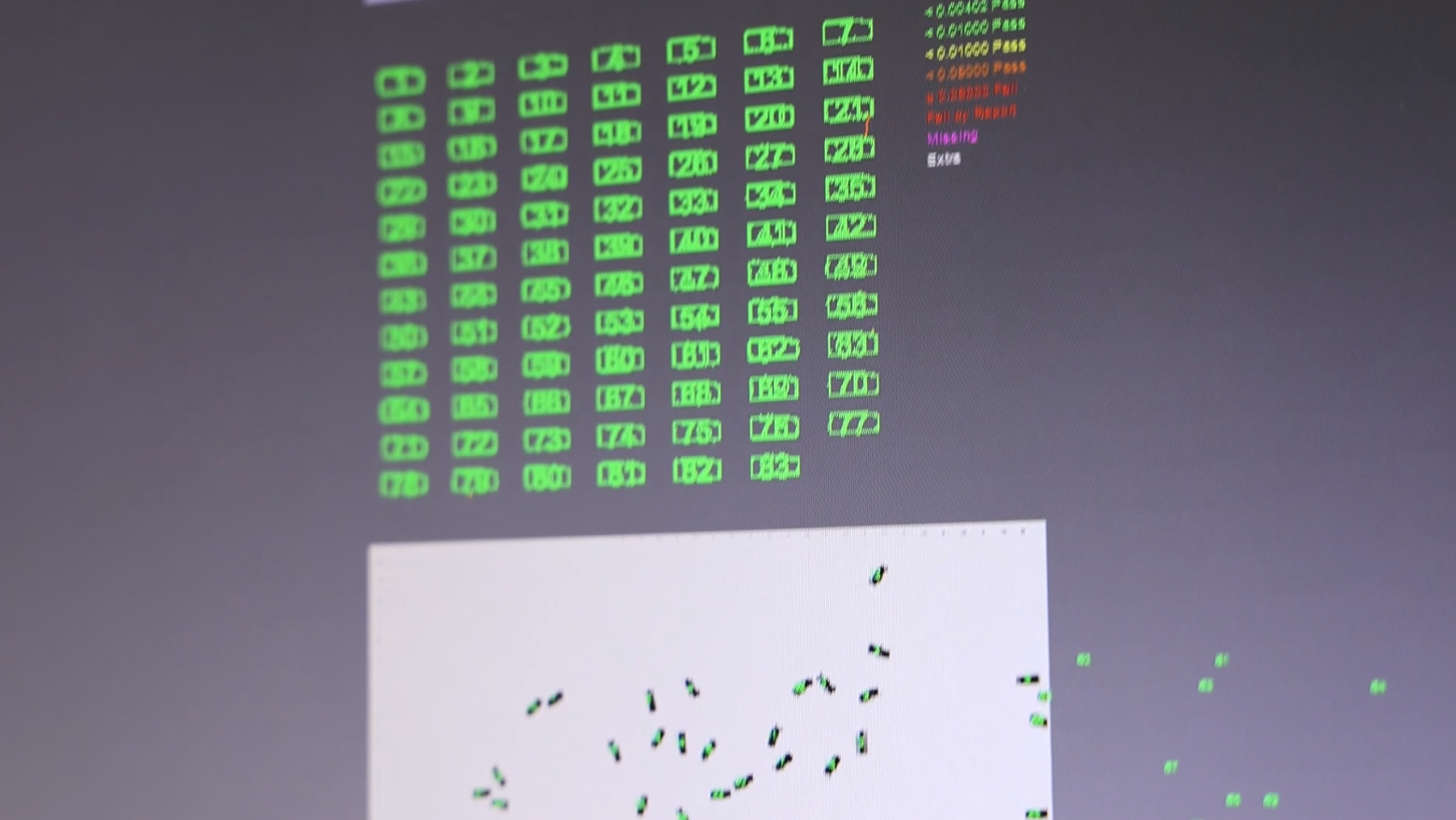
We use Planar 2D vision inspection to capture the entire cut metal part in a single image. This allows our quality team to perform full-part dimensional verification quickly and consistently, without slowing production.
Unlike traditional manual inspection methods that require measuring individual features one at a time, PQI enables:
- Rapid inspection cycles
- Consistent results across production runs
- Reduced reliance on operator interpretation
This approach is especially valuable when inspecting complex profiles or parts with multiple critical features.
Applications Supported by PQI Inspection
Rolled Alloys’ PQI inspection process supports a wide range of cut metal parts produced through our processing services, including:
- Laser-cut metal parts
- Waterjet-cut components
- Plasma-cut profiles
- Flat sheet and plate components
- Punched and stamped metal parts
By applying the same inspection process across different cutting methods, we maintain consistent quality standards regardless of how the part is produced.
CAD-Based Inspection and Digital Quality Control
Our PQI inspection process compares finished cut parts directly to customer-provided CAD files. Measurements are captured digitally, automatically recorded, and stored to support traceability and documentation requirements.
This CAD-based approach is particularly important for:
- Aerospace and regulated applications
- Customers requiring inspection records
- Programs where repeatability across lots is critical
Digital inspection data helps ensure that parts meet specifications while providing documentation that supports audits and customer quality expectations.