
Home » News & Articles » 70 years in the Thermal Processing Industry
Over the past 70 years, Rolled Alloys has been committed to servicing the thermal processing industry.
In 1953, the year the company was founded, we introduced RA330® as a wrought replacement to cast HT. Due to RA330®’s versatility and availability, it remains the most widely used wrought alloy by commercial heat treaters.
Key features of RA330® include:
- Oxidation resistance up to 2100°F
- Creep strength up to 1800°F
- Sufficient nickel to prevent sigma phase formation
- Good thermal shock resistance
Applications where RA330® commonly finds use include:
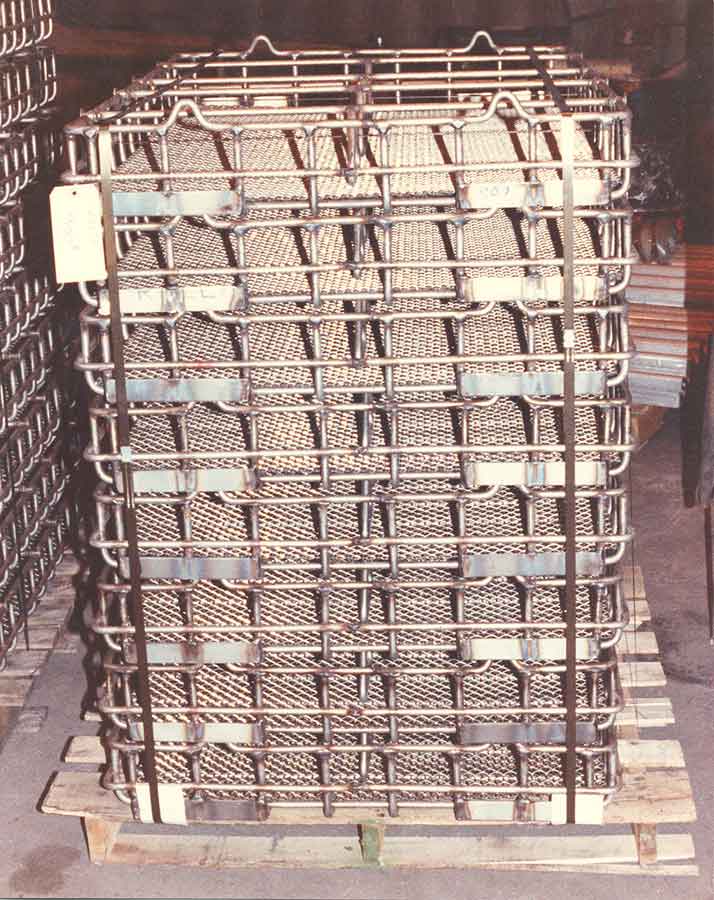
- Heat treatment fixtures
- Muffles
- Retorts
- Shaker Hearths
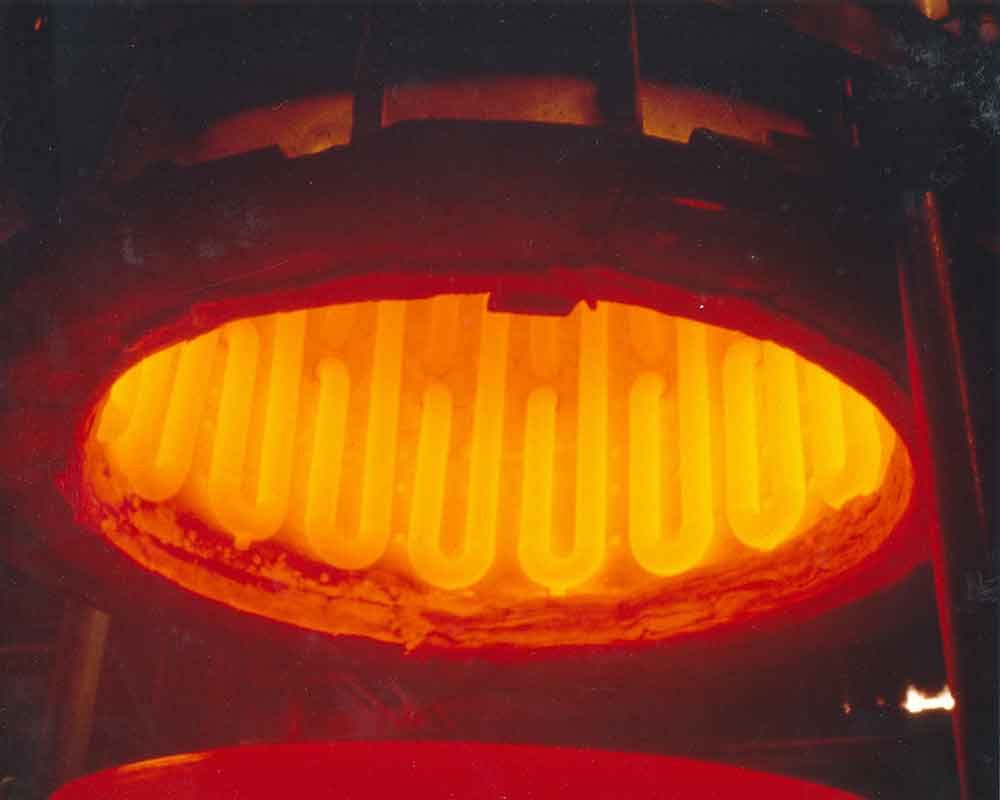
- Radiant Tubes
Although RA330 exhibits excellent features, there may be better choices for an application. With this being the case, we offer a wide range of heat-resistant alloys to best suit the needs of your application.
RA 602 CA® is an alloy developed specifically for the highest temperature process, requiring strength and resistance to atmospheres. Many heat-resistant alloys are out in the world, but when considering availability and capabilities, RA 602 CA® is often unmatched.
Key features of RA 602 CA® include:
- Oxidation resistance up to 2250°F
- Usable creep strength up to 2100°F
- Great resistance to carburization and nitriding
- Immune to sigma phase formation
- Continuous alumina sub-oxide former
Applications where RA 602 CA® commonly finds use include:
- High-temperature muffles, retorts, and radiant tubes
- Rotary calciners
- Vacuum furnace fixtures
- High carbon potential environments
One last alloy worth discussing is RA253MA. RA253MA is a lean, heat-resistant stainless steel with high strength and oxidation resistance. With excellent high-temperature properties and low nickel content, RA253MA is a cost-effective material that thermal processors frequently utilize for open-air applications.
Key features of RA 253 MA® include:
- Oxidation resistance up to 2000°F
- Usable creep strength up to 2000°F
Applications where RA 253 MA® commonly finds use include:
- Muffles
- Annealing fixtures
- Wire belts
- Electrically heated calciners
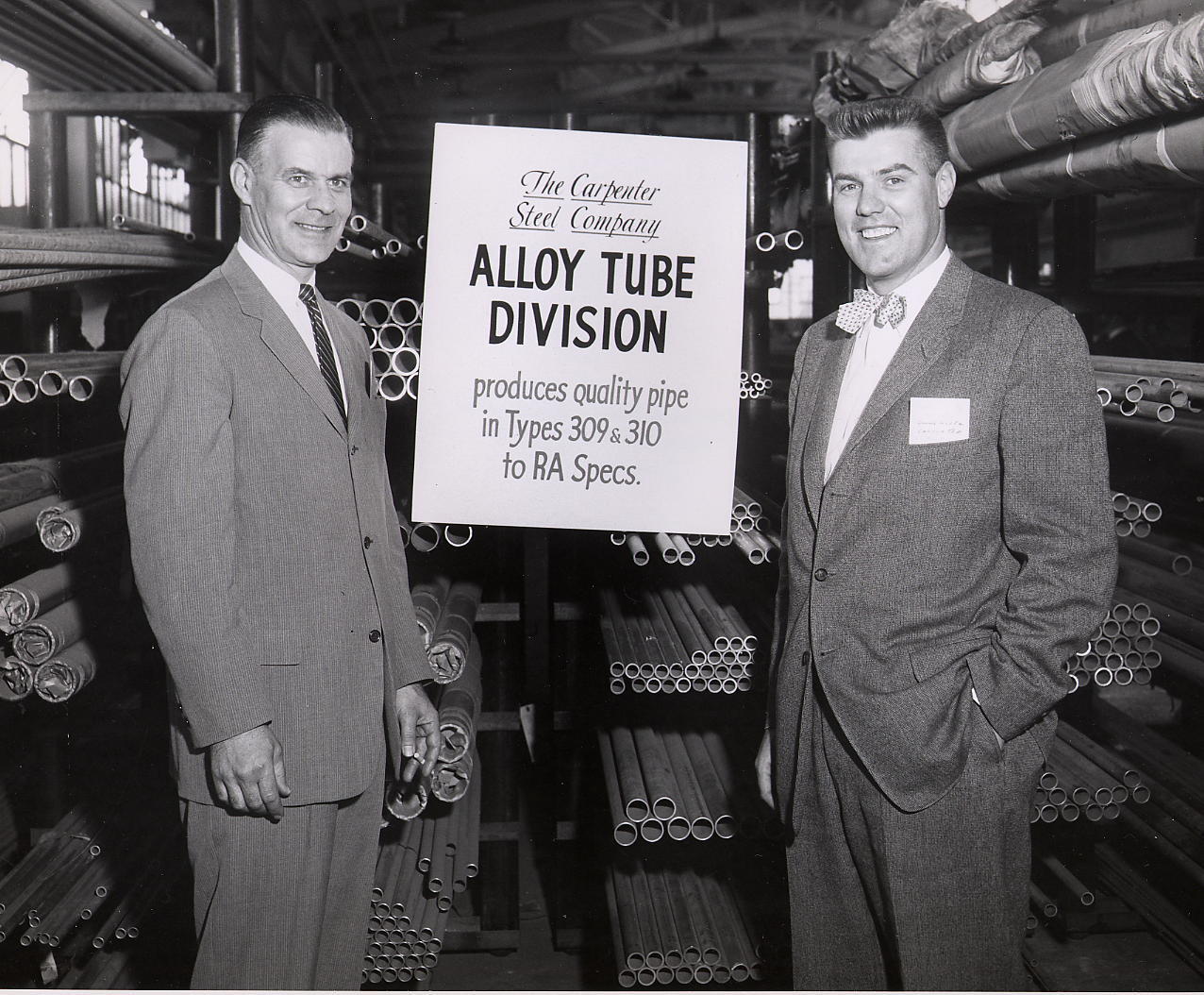
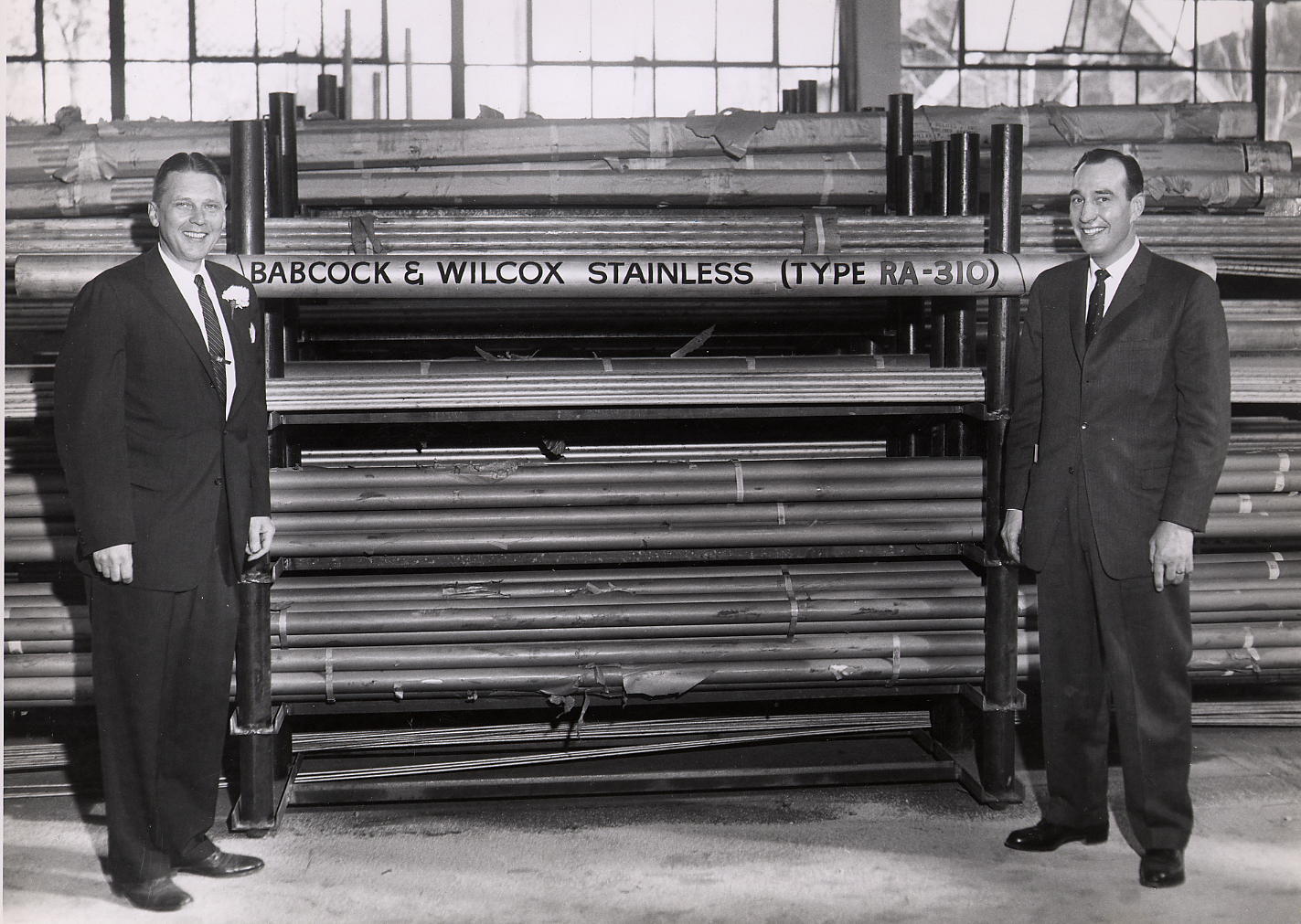
In addition to the alloys discussed in this blog, Rolled Alloys stocks many other heat-resistant alloys, including 309, 310, 800H/AT, 600, 230, 601, and Alloy X. Information on these alloys can be found on each of their respective alloy pages.

Toledo Rolled Alloys Visitors Guide
Discover the future of metal processing at our state‑of‑the‑art, 250,000‑square‑foot facility in Maumee, Ohio.
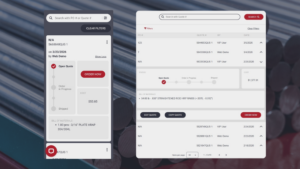
Faster Order Search & Quote-To-Order Improvements
Find orders faster with a clean layout, better visibility, and direct quote-to-order functionality. Simplify your metal procurement purchasing with Rolled Alloys.
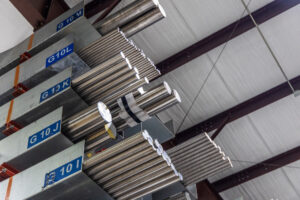
New & Expanded Product Inventory
New Titanium, Stainless, Nickel and Cobalt in Stock Now – CP Ti Grade 2, 635, 718 and More!

Never Miss an Update - Subscribe Today!
Get application insights, material guides, and technical answers straight from the leaders in high-performance alloys.
Share:
QUOTE, BUY, TRACK
We make it easy to get instant pricing and purchase your metal at the click of a button. Track your order progress, get notified when it ships, and follow your shipment online until it’s delivered. It’s that easy!
Latest Articles
Toledo Rolled Alloys Visitors Guide
Discover the future of metal processing at our state‑of‑the‑art, 250,000‑square‑foot facility in Maumee, Ohio.
Faster Order Search & Quote-To-Order Improvements
Find orders faster with a clean layout, better visibility, and direct quote-to-order functionality. Simplify your metal procurement purchasing with Rolled Alloys.
New & Expanded Product Inventory
New Titanium, Stainless, Nickel and Cobalt in Stock Now – CP Ti Grade 2, 635, 718 and More!

Precision Bandsaw Cutting Services
Precision bandsaw cutting services that deliver accurate, repeatable cuts for stainless steel, nickel alloys, duplex, and titanium.
The Value of Cut Part Inspection
Modern metal fabrication demands fast, accurate cut metal inspection to keep up with high-volume production and tight tolerances